Long-Range Electric Vehicles 2026: Bridging the Delta Between WLTP and Empirical Autonomy

Strategic Key Takeaways
- Fiscal Incentives: The 2026 EV subsidy framework enables a capital expenditure reduction of up to 6,000 euros.
- Chassis Dominance: SUV architectures lead range metrics due to their higher volumetric capacity for large-scale battery integration.
- The Range Gap: Independent audits by Which? reveal an average 20% deficit (approx. 72 km) between manufacturer claims and real-world performance.
- Thermal Sensitivity: Sub-zero winter conditions can trigger consumption spikes as high as 107% in specific models like the VW ID.5.
Comparative Analysis of the Top 13 Long-Range EVs
Utilizing current data from Carwow, we analyze the models leading the 2026 market through superior cell chemistry and aerodynamic drag optimization.
1. BMW iX3 (Max Range: 805 km)
The BMW iX3 has shattered order records by targeting the 800 km threshold. Beyond its futuristic aesthetic, its market dominance is driven by competitive pricing and the Munich manufacturer's signature build quality.
2. Lucid Air (Max Range: 792 km)
The Lucid Air Grand Touring variant delivers a massive 830 hp. Its standout engineering feature is the 283-liter frunk, contributing to a total storage volume exceeding 900 liters, though it commands a premium price of 129,000 euros.
3. Mercedes EQS (Max Range: 769 km)
The EQS 450 utilizes AI-driven sensor arrays to adapt vehicle parameters to the driver. While its range is elite, the touch-based HMI (Human-Machine Interface) continues to face scrutiny regarding ergonomic fluidity.
4. Tesla Model S Long Range (Max Range: 723 km)
Equipped with 670 hp, the Model S offers near-silent operation and high-tech interior integration. Practical disadvantages include the unconventional steering wheel design and the vehicle's significant length during urban maneuvers.
5. Audi A6 Avant e-tron (Max Range: 720 km)
This electric station wagon achieves an 80% State of Charge (SoC) in under 20 minutes. With 503 hp, it provides a balance of high-performance handling and the utility expected from a mid-size estate.
6. VW ID.7 (Max Range: 700 km)
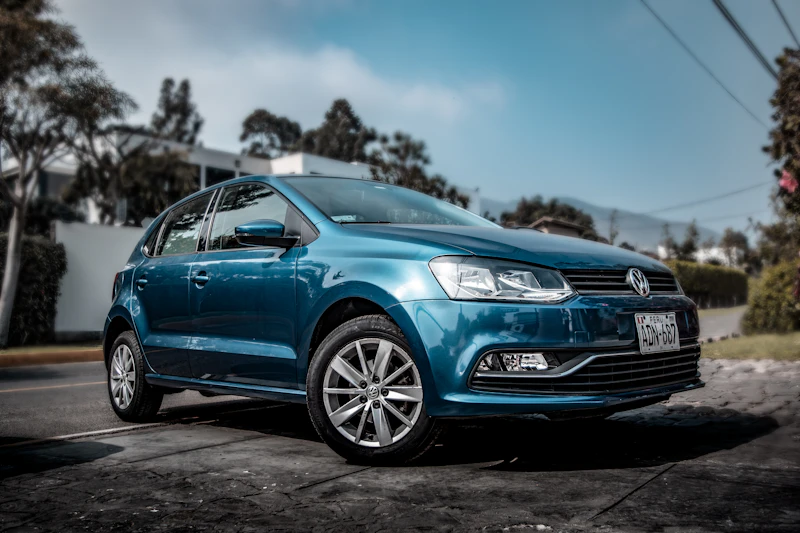
The ID.7 Pro S offers a cost-effective solution for travel. Real-world testing indicates motorway consumption of 23 kWh at top speeds, slightly exceeding the 20 kWh specification provided by Volkswagen.
7. Volvo ES90 (Max Range: 700 km)
Featuring 800-volt architecture and a 106 kWh battery, the ES90 supports 350 kW DC charging. However, its 11 kW AC charging limit presents a bottleneck for overnight domestic cycles.
8. Mercedes EQS SUV (Max Range: 664 km)
As the largest SUV in the Mercedes fleet, its range is slightly restricted by aerodynamic mass compared to the sedan, but it offers a versatile seven-seat configuration.
9. BMW iX (Max Range: 633 km)
The xDrive50 version integrates a 112 kWh battery and a 2.5-ton towing capacity. It features an innovative "self-healing" kidney grille designed to mitigate surface abrasions.

10. Tesla Model 3 (Max Range: 626 km)
The Model 3 Highland facelift is lauded for its dynamic chassis. In sub-zero environments, consumption has been observed at 24 kWh, a significant deviation from the 14 kWh nominal claim.
11. BMW i7 (Max Range: 625 km)
Utilizing a 101.7 kWh battery, the i7 maintains exceptional comfort despite its heavy curb weight. Charging peaks at 195 kW via fast-charging infrastructure.
12. Tesla Model X (Max Range: 625 km)
Noted for its iconic gullwing doors and high acceleration, the Model X provides a futuristic interior experience. Its size and yoke steering remain points of practical evaluation.
13. Hyundai Ioniq 6 (Max Range: 614 km)
Focused on aerodynamics, the Ioniq 6 achieves a low consumption of 15.1 kWh/100 km. It supports bidirectional charging (V2L) and includes a 8-year manufacturer warranty.
Quantifying the Gap: WLTP vs. Reality
The WLTP (Worldwide Harmonised Light Vehicles Test Procedure) is conducted over 30 minutes at controlled temperatures of 23°C and 14°C. However, independent research shows a typical 72 km deficit in actual conditions, influenced by topography, auxiliary electronic load, and operator behavior.
Thermodynamic Impact of Winter Weather
EV batteries operate optimally between 20°C and 40°C. In winter (-7°C), energy is diverted for cabin heating and battery thermal management. Data from ADAC confirms significant consumption spikes:
- BYD Atto 3: 38% increase in consumption.
- Dacia Spring: 39% increase in consumption.
- Tesla Model S: 65% increase in consumption.
- Hyundai Ioniq 5: 85% increase in consumption.
- VW ID.5: 107% increase in consumption.

Technical Range FAQ
How does "Hypermiling" affect the regenerative braking system?
Hypermiling leverages Regenerative Braking to maximize kinetic energy recovery. By avoiding sudden friction-based stops, the electric motor acts as a generator, recharging the battery and extending the driving cycle.
What is the role of Solid-State batteries in future range expansion?
Manufacturers like Nio (ET7) are prototyping Solid-State technology, which offers higher energy density and thermal stability compared to liquid electrolytes, aiming to break the 1,000 km range barrier.
Why do large SUVs like the BMW iX M60 have lower efficiency despite large batteries?
Efficiency is determined by the Drag Coefficient (Cd) and frontal area. Large SUVs require more work to displace air at highway speeds, often leading to consumption rates exceeding 24.5 kWh/100 km.
How does a Heat Pump mitigate energy drain in winter?
A Heat Pump scavenges waste heat from the drivetrain and ambient air to warm the cabin. This is significantly more efficient than traditional resistive heating, preserving more energy for propulsion.
Post a Comment for "Long-Range Electric Vehicles 2026: Bridging the Delta Between WLTP and Empirical Autonomy"